)-2.png)
How to Dance Safely on Pointe in Your First Year
- Leah Bueno DOMP, COMT, MMP

- Jan 24
- 3 min read
What dance medicine says about readiness, screening, and strength
Dear dancers, parents, and teachers,
Going on pointe is one of the most exciting milestones in ballet training. Dance medicine research consistently shows that strength, control, and movement quality matter more than age or X-rays alone when deciding if a young dancer is ready.
Let’s talk about what actually keeps first-year pointe dancers safe.

Do I need an X-ray before going on Pointe?
Some families are told that a dancer needs an X-ray to check if growth plates are fused before starting pointe. While imaging can show bone maturity, experts in dance medicine caution that X-rays do not measure functional strength, alignment, balance, or neuromuscular control — the very things that protect dancers from injury.
A dancer can safely begin pointe before full biological maturity if they demonstrate the strength and control to handle the load. Readiness is about function, not just bones.
What is a Functional Pointe Readiness Screening?
At Performance Pilates & Rehab, we use a dance medicine movement-based screening to assess whether a dancer can control their body under the demands of pointe work. These tests look at balance, alignment, strength, and dynamic stability — not just flexibility.
Key screening components include:
1. Topple Test
What it is: A controlled pirouette (typically en dehors) from fourth position with the gesture leg in retiré, focusing on trunk and leg alignment.
What it shows: Ability to maintain vertical trunk alignment and a controlled, decelerated landing without losing balance — indicating dynamic stability and postural control.
2. Airplane Test
What it is: A balance-focused test where the dancer leans forward into an airplane-like position on one leg (with the other leg extended back).
What it shows: Proprioception, single-leg balance, and the ability to maintain neutral alignment of hip, knee, and ankle during dynamic position changes.
3. Single-Leg Sauté Test
What it is: Repeated single-leg hops (sautés) under controlled conditions — often a set number of reps — while maintaining alignment.
What it shows: Leg strength, hip and core stability, neutral pelvis control, and endurance under load — all crucial for handling repetitive push-offs and landings en pointe.
4. Single-Leg Balance – 30 Seconds
Stand in parallel on one leg, pelvis level, knee aligned, no wobbling or gripping
Shows static postural control and foot/ankle stability
5. Pencil Test
A pencil placed across the front of the ankle joint should not drop when the dancer demi-pliés
Assesses adequate ankle plantarflexion and alignment needed to get fully over the box
6. 20 Consecutive Élevés in Parallel (Single Leg)
Performed with control, full range, and consistent alignment
Demonstrates calf strength, foot intrinsic strength, and muscular endurance — crucial for repetitive pointe work
Together, these tests show whether a dancer can control their body weight over the foot repeatedly and safely — the true demand of dancing en pointe.
Strength Training: Essential in the First Year
Research and clinical experience agree: just doing more ballet is not enough. Dancers beginning pointe benefit enormously from strength training outside the studio to build resilience and reduce overuse injuries.
Focus areas should include:
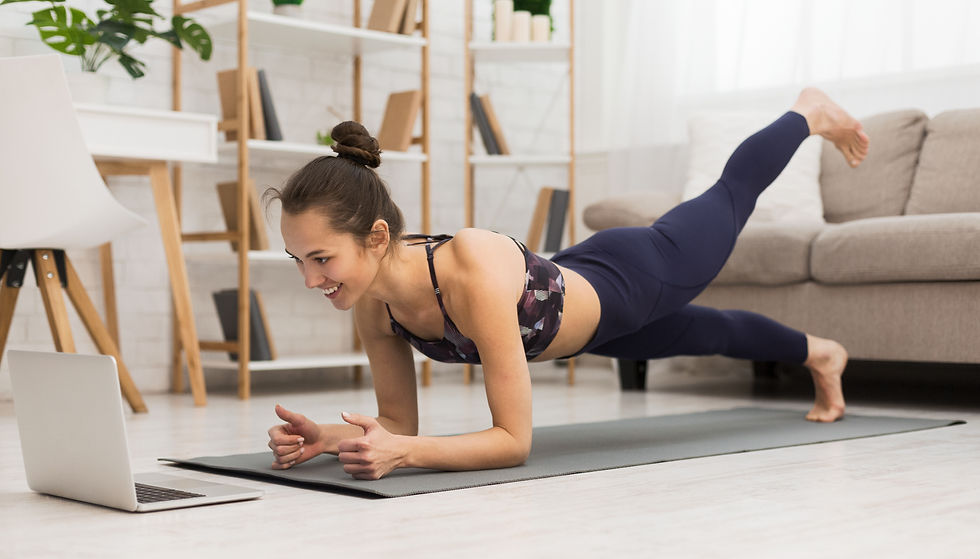
Foot & ankle strength — toe yoga, arch doming, weighted alignment challenges Calf endurance — progressive relevé and élev é training Core stability — planks, dead bugs, anti-rotation work Hip & glute strength — bridges, clamshells, lunges Single-leg balance training — dynamic control drills
This support system helps dancers meet screening standards and adapt to the new loads of pointe training.
The Big Takeaway
A safe first year on pointe is built on:
Functional screening — not just age or X-rays Demonstrated strength, control, and endurance Structured strength training outside of ballet class Individual readiness — every dancer develops differently
Pointe work should be a celebration of preparation — not a race.
If you’d like a pointe readiness screening or a strength program designed specifically for young dancers, we’re here to help support strong, confident transitions to pointe.


Comments