)-2.png)
Why Dancers Should Consider Wearing Barefoot Shoes Outside the Studio
- Leah Bueno DOMP, COMT, MMP

- Dec 8
- 3 min read
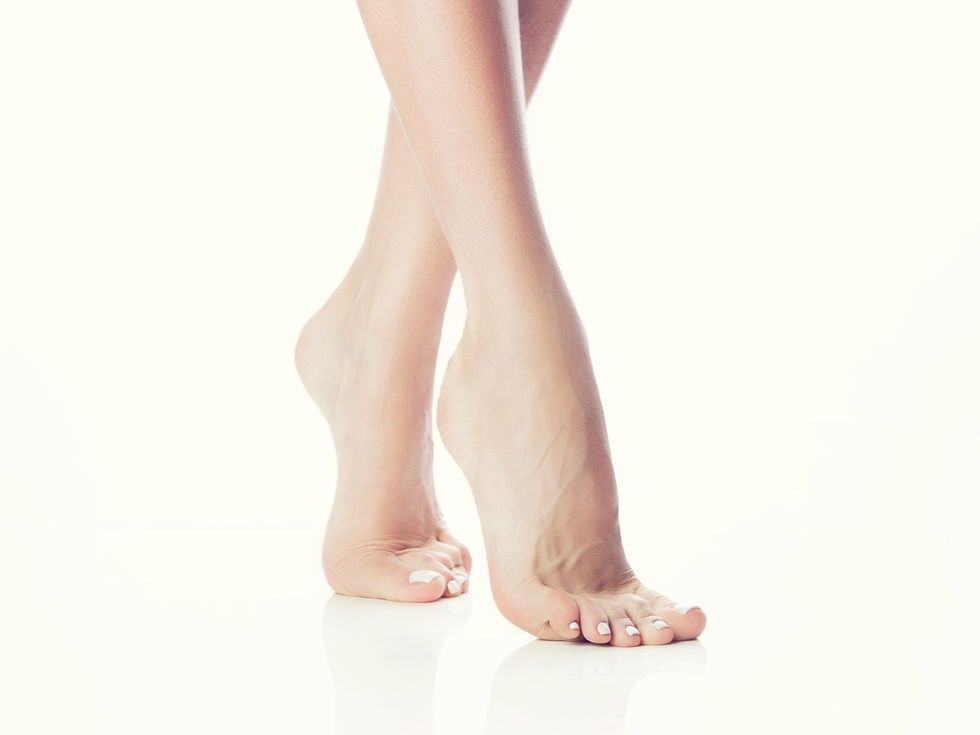
As a dancer, you spend hours fine-tuning the strength, coordination, and precision of your feet. Your feet are an important part of dancing your best. But what about when you leave the studio? Most of us slip into traditional sneakers, thinking this is the best way to care for our feet. Unfortunately, even the fancy, expensive shoes can work against the very things we train so hard to develop in class. |
 |
The Problem with Conventional ShoesMost conventional street shoes, especially those inspired by running shoe designs, are built with a raised heel, narrow toe box, and extra cushioning. While this setup may work for high-impact forward motion (like running), it’s not ideal for a dancer’s foot. Dancers already spend a lot of time loading through the front of their foot: demi-pointe, relevé, jumps, turns. When we leave the studio and walk around all day in shoes that shift even more weight forward, we increase stress on the metatarsals, forefoot joints, and Achilles tendon. This can contribute to overuse injuries, especially during intensive rehearsal or performance seasons. Additionally, most shoes, including dance shoes, are not shaped like actual feet. The narrow, tapered toe boxes compress the toes, limiting natural movement and weakening the intrinsic foot muscles over time. These small muscles play a crucial role in maintaining stability, control, and preventing injury. |
 |
Barefoot Shoes: A Better OptionBarefoot shoes offer a more natural, foot-friendly alternative. They allow the foot to move, spread, and load the way it was designed to. Key features of barefoot shoes:
|
 |
How to Tell if Your Current Shoes Are Helping or HurtingHere are a few quick tests you can do at home: Take out the insole and place it on the floor. Stand on it barefoot. Do your toes spill over the edge? That’s a sign your shoe is too narrow and limiting your natural foot function. Can you wiggle your toes freely while wearing your shoes? If not, your foot is being compressed, which may weaken the muscles over time. Do your shoes have a “zero drop” sole? Look at the heel versus the toe. If the heel is higher, your weight is constantly being shifted forward. Do your shoes look like feet? That may sound funny—but shoes should match the shape of your foot, not force your foot to match the shape of the shoe. |
 |
Transitioning to Barefoot Shoes (The Smart Way)Switching to barefoot shoes isn’t something you should do overnight, especially as a dancer. Your body needs time to adapt to the new load patterns and increased demands on your foot muscles. Start by:
|
Final ThoughtsYour time outside the studio matters. Just like cross-training, recovery, and nutrition, your choice of footwear can support or sabotage your training. Barefoot shoes are not just a wellness trend; they're a way to protect the feet you depend on every day, in every setting. Not sure if barefoot shoes are right for you, or not sure which to try first? Schedule a foot assessment to see what shoes we recommend for you. |


Comments